
Expert Picks for Effective Damaged Driveway Removal Tools
Discover the most popular and reliable tools that make driveway removal straightforward and hassle-free.
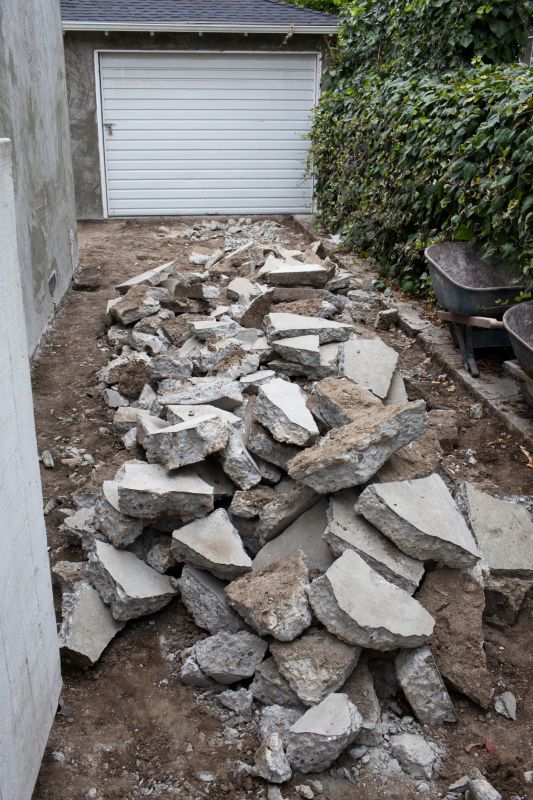 Damaged driveways can pose safety hazards and diminish the aesthetic appeal of a property. Repairing or removing damaged sections requires careful selection of appropriate products that can handle various types of deterioration, such as cracks, potholes, or uneven surfaces. There are numerous tools and materials designed specifically for driveway removal and repair, ranging from handheld equipment to heavy-duty machinery. Choosing the right product depends on the extent of damage, driveway material, and the scope of the project.
Top Overall Option
Heavy-Duty Demolition Hammer
A versatile demolition hammer offers powerful performance for breaking up concrete and asphalt, making it suitable for driveway removal projects. Its robust design allows for efficient handling of tough materials, reducing manual effort and time. When selecting a demolition hammer, consider features like vibration control, ergonomic design, and variable speed settings to improve comfort and control during use.
Types of Products For Damaged Driveway Removals
Handheld Jackhammers
Compact and portable, ideal for small-scale or detailed removal work on driveways.
Electric Demolition Hammers
Provide high power for breaking up concrete and asphalt with ease, suitable for moderate to large projects.
Gas-Powered Jackhammers
Offer mobility and strong performance for extensive driveway removal tasks without the need for electrical outlets.
Rotary Hammers
Versatile tools capable of drilling and chipping, useful for removing damaged sections and preparing surfaces.
Pavement Removal Machines
Heavy-duty equipment designed specifically for large-scale asphalt or concrete removal.
Skid Steer Loaders
Compact machinery equipped with attachments for efficient removal of large driveway sections.
Mini Excavators
Small excavators suitable for precise and efficient removal of damaged driveway areas.
Concrete Saws
Used for cutting through concrete or asphalt before removal or repair.
Surface Patching Compounds
Materials used to fill cracks and surface imperfections after removal.
Asphalt Patch Mixes
Specialized products for resurfacing after damaged sections are removed.
Concrete Overlays
Thin layers of concrete applied over existing surfaces to restore driveway appearance.
Driveway Grinders
Tools for grinding down uneven surfaces and preparing areas for repair.
Power Trowels
Used to smooth and finish resurfaced driveway areas.
Vibratory Plate Compactors
Compact soil and base layers before laying new driveway material.
Bulk Excavation Buckets
Attachments for skid steer loaders to facilitate removal of large quantities of material.
Driveway Removal Attachments
Specialized tools designed for attachment to machinery to streamline removal processes.
Popular Choices
Widely used for their ease of use and portability in driveway removal tasks.
Preferred for larger projects due to their strength and mobility.
Popular for their versatility and ability to access tight spaces during removal.
Favored for their power and adaptability with various attachments for removal and grading.
Commonly used for precise cuts before breaking up concrete or asphalt.
Effective for smoothing and preparing surfaces after removal.
Popular for preparing subbases and ensuring proper compaction after removal.
Chosen for finishing resurfaced areas with a smooth, even surface.
Used to seal small cracks and prevent further damage after removal.
Trending for their ease of application and effectiveness in resurfacing.
Popular for restoring driveway surfaces with minimal demolition.
Commonly selected for their power and efficiency in breaking up tough materials.
Used to level and smooth resurfaced driveway layers.
Important for preparing the foundation before new surface application.
Essential for transporting debris during removal projects.
Useful for hauling away large quantities of debris efficiently.
For minor cracks and surface blemishes, simple patching compounds and crack fillers can be effective. These products are easy to apply and can restore the surface temporarily or as a preparatory step before more extensive repairs. For larger areas requiring removal, power tools like jackhammers, demolition saws, and rotary hammers are commonly used to break up and lift out damaged sections. These tools are available in various sizes and power levels to suit different project scales.
When dealing with extensive damage or complete driveway removal, heavy machinery such as mini-excavators and skid steer loaders are often employed. These machines can efficiently handle large volumes of material and are suitable for professional or larger-scale DIY projects. In addition to removal equipment, specialized resurfacing products like asphalt patching mixes or concrete overlays are used to restore the driveway surface after the damaged sections are removed. Proper selection and application of these products ensure a durable and smooth finish.
Overall, the process of removing and repairing a damaged driveway involves a combination of suitable tools, materials, and techniques. Proper planning and understanding of the extent of damage can help in choosing the most effective products, whether for small repairs or major renovations. Safety precautions and adherence to manufacturer instructions are essential to achieve the best results and ensure longevity of the repair work.
Key Buying Considerations
- Extent of damage to determine whether minor repairs or full removal is needed.
- Type of driveway material (concrete, asphalt, pavers) to select compatible removal tools.
- Project scale to choose appropriately sized equipment and machinery.
- Power source availability (electric, gas, battery) for tools and machinery.
- Ease of use and operator comfort, especially for handheld tools.
- Safety features such as vibration control, ergonomic design, and safety guards.
- Durability and build quality of tools to withstand heavy use.
- Compatibility of attachments with existing machinery for efficiency.
- Budget constraints to balance cost with performance.
- Availability of replacement parts and service support.
- Environmental conditions, such as weather, that may impact work schedule.
- Local regulations or permits required for heavy machinery operation.
- Post-removal surface preparation options for proper driveway resurfacing.
- Storage and transportation considerations for larger equipment.
- Long-term maintenance requirements for tools and machinery.