Optimal Timing for Damaged Driveway Removals
Damaged driveway removals are most effective when performed during periods of favorable weather conditions. Optimal timing depends on climate, project scope, and accessibility. Planning removals during dry, mild weather minimizes delays and safety risks.
Spring offers moderate temperatures and less rainfall, making it suitable for driveway removals. It allows for efficient work before peak summer heat.
Summer can be ideal due to longer daylight hours. However, high temperatures may affect certain removal methods and require additional precautions.
Fall provides cooler weather and less rain, reducing project delays. It is a good time for extensive removals before winter sets in.
Winter is generally less suitable due to cold temperatures, snow, and ice, which can hinder removal activities and safety.
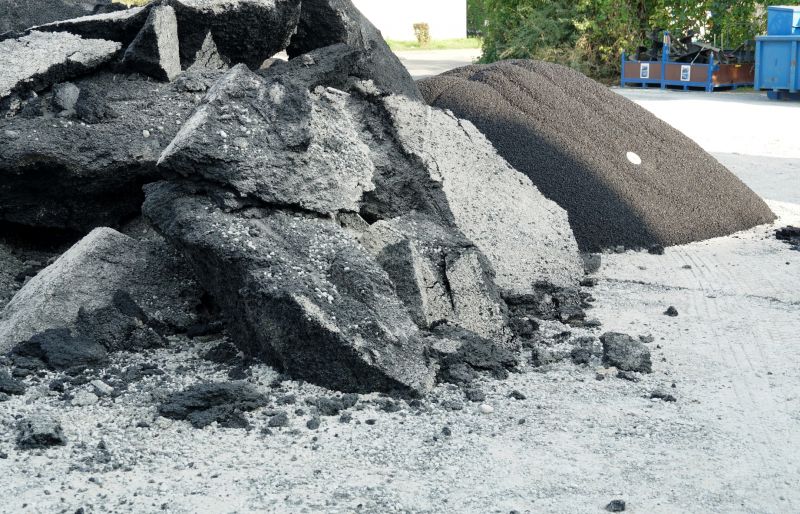
Ways to make Damaged Driveway Removals work in tight or awkward layouts.
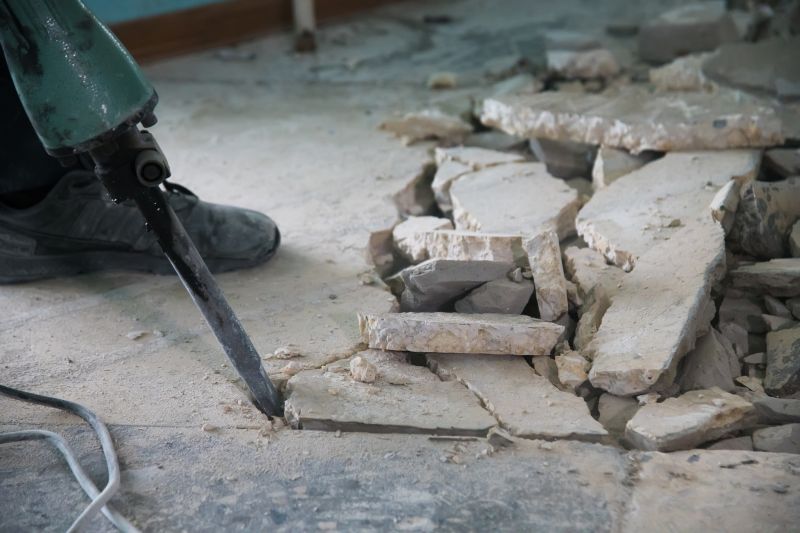
Popular materials for Damaged Driveway Removals and why they hold up over time.

Simple add-ons that improve Damaged Driveway Removals without blowing the budget.

High-end options that actually feel worth it for Damaged Driveway Removals.
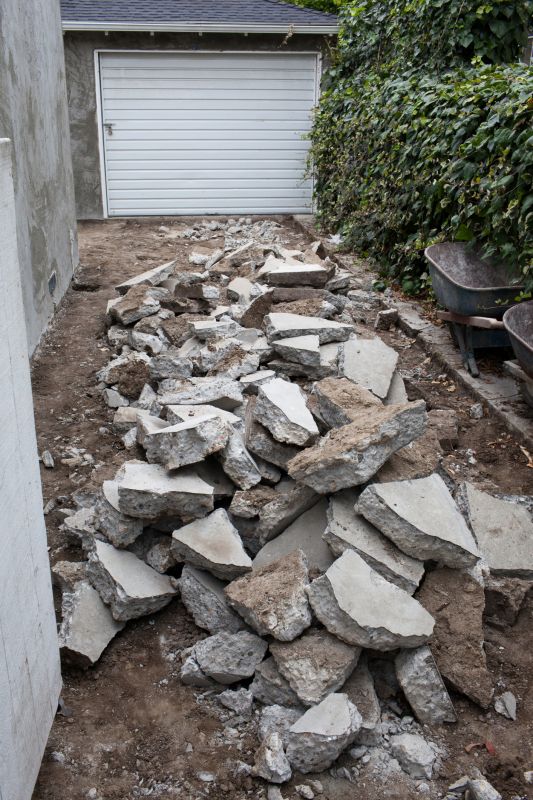
Finishes and colors that play nicely with Damaged Driveway Removals.
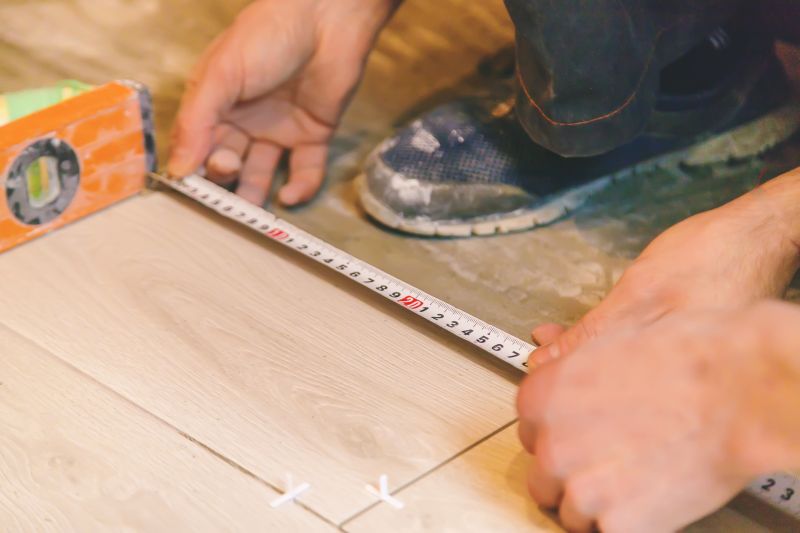
Little measurements that prevent headaches on Damaged Driveway Removals day.
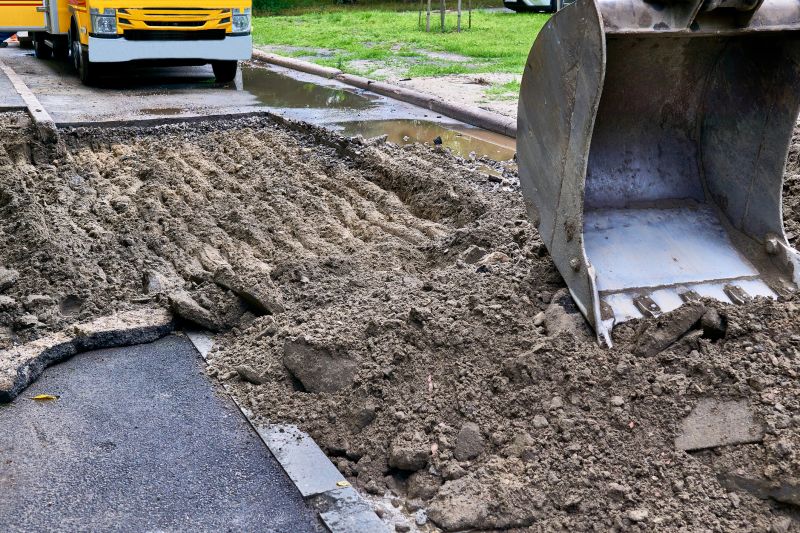
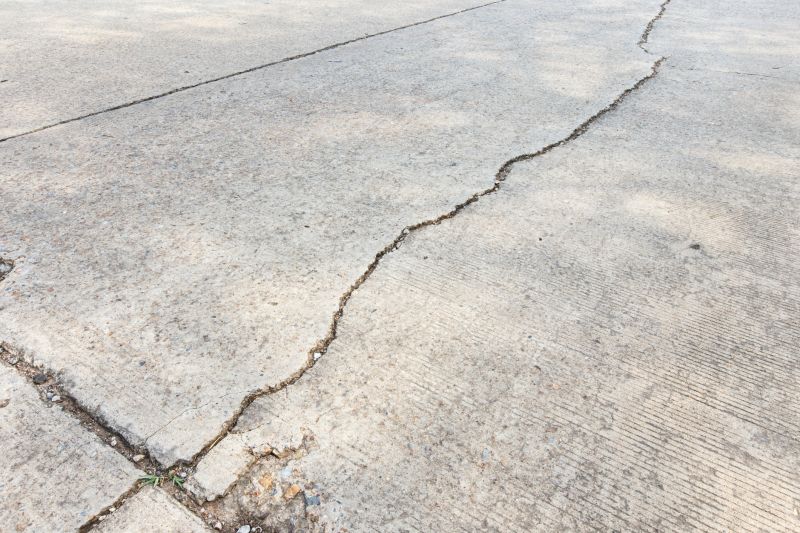
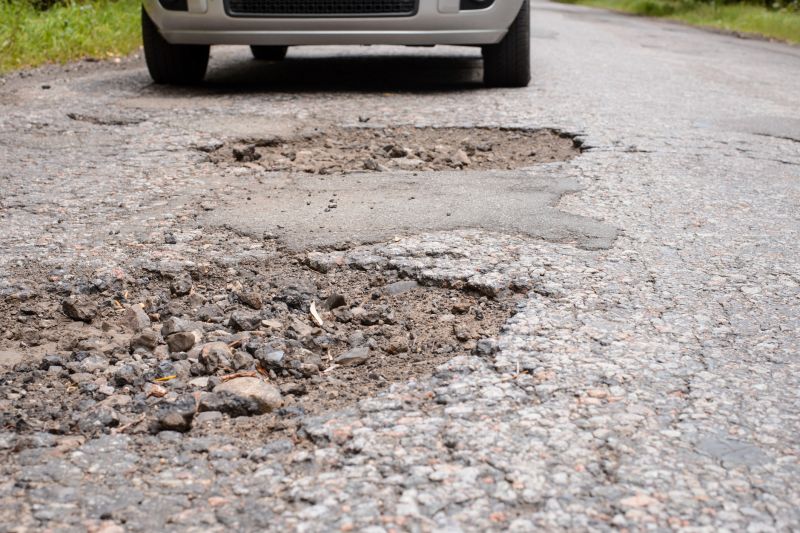
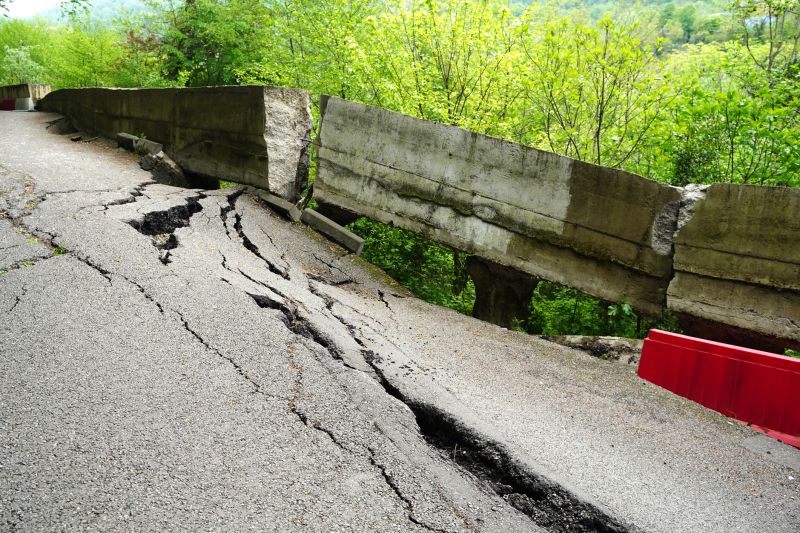
Damaged driveway removals involve the systematic dismantling and disposal of compromised pavement surfaces. Common causes of damage include structural failure, cracking, and surface deterioration. Addressing these issues promptly can prevent further property damage and safety hazards. Removal procedures typically utilize heavy machinery such as excavators, jackhammers, and loaders. The process ensures the safe and efficient clearing of debris, preparing the site for new installation or repair.
Statistics indicate that timely driveway removals can extend the lifespan of new surfaces by preventing underlying issues from worsening. Proper removal techniques also reduce the risk of damage to surrounding structures and landscapes. Planning removals during optimal weather conditions can lead to cost savings and shorter project durations, minimizing disruptions to property use.
A 60-second routine that keeps Damaged Driveway Removals looking new.
A frequent mistake in Damaged Driveway Removals and how to dodge it.
Small tweaks to make Damaged Driveway Removals safer and easier to use.
Lower-waste or water-saving choices for Damaged Driveway Removals.
| Season | Best Conditions for Removal |
|---|---|
| Spring | Moderate temperatures and low rainfall |
| Summer | Long days, but high heat caution required |
| Fall | Cooler weather, less rain |
| Winter | Cold, snow, and ice hinder operations |
Interested property owners can consider scheduling driveway removals during seasons with optimal weather conditions. Proper timing ensures a safer process, reduces costs, and prepares the site efficiently for subsequent repairs or replacements.